

Why Tikkun Exists
Tikkun was created as a place to step away from ordinary life long enough to listen more carefully — to ourselves, to one another, and to something deeper.
We believe meaningful change is rarely created by a single moment. It happens when insight becomes practice, when intention becomes action, and when what we discover in a retreat begins to change the way we live.
Six things, held in one place.
None of these is unusual on its own. Putting them in the same five acres, over the same few days, is what makes the difference.
- Nature. Open land, trees, water, and weather — not as scenery, but as the room you spend the days in.
- Intentional community. A small group, gathered on purpose, who keep each other honest and company.
- Wellness practices. Breathwork, movement, meditation, rest, and food that supports the week rather than interrupting it.
- Spiritual practice. Room for prayer, silence, study, and questions that don't resolve neatly.
- Grounded facilitation. People who hold the shape of the days, ask better questions than they answer, and know when to stay out of the way.
- Ceremony. Most retreats include one, and it matters. It is also one part of the days around it — prepared for carefully beforehand, and supported afterwards.
A retreat is a beginning. What matters is the Tuesday afterwards.
We are not offering a permanent high or a single breakthrough. The work is learning to live a little differently — more presence, more choice, more clarity, more connection, more trust in your own read on things — and then carrying that back into relationships, work, and ordinary days.
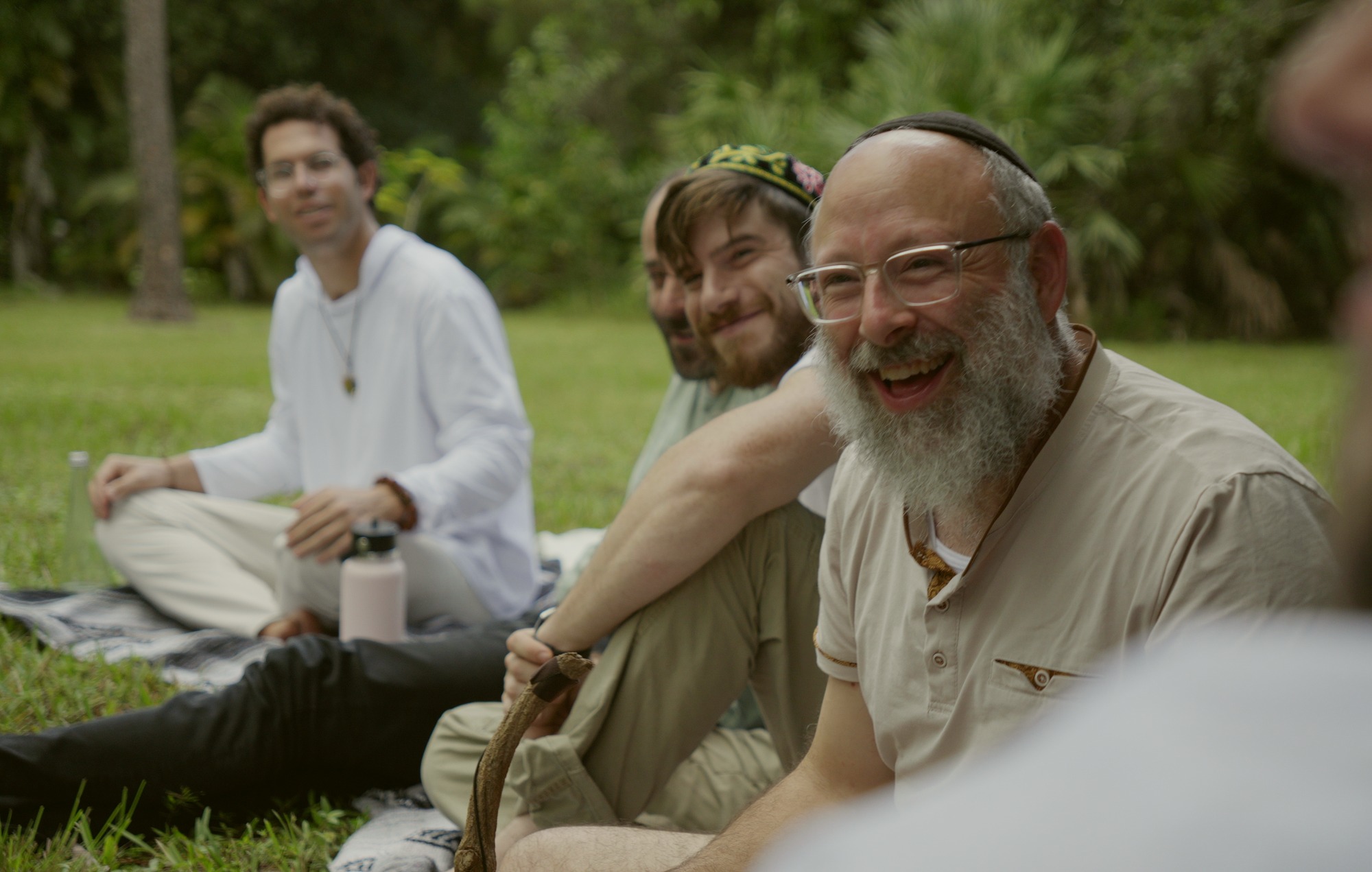
The people behind it.
Tikkun is run by people who came to this work through their own lives rather than through a title. What is offered here is what has been practised here — nothing further, and nothing claimed on anyone else's behalf.
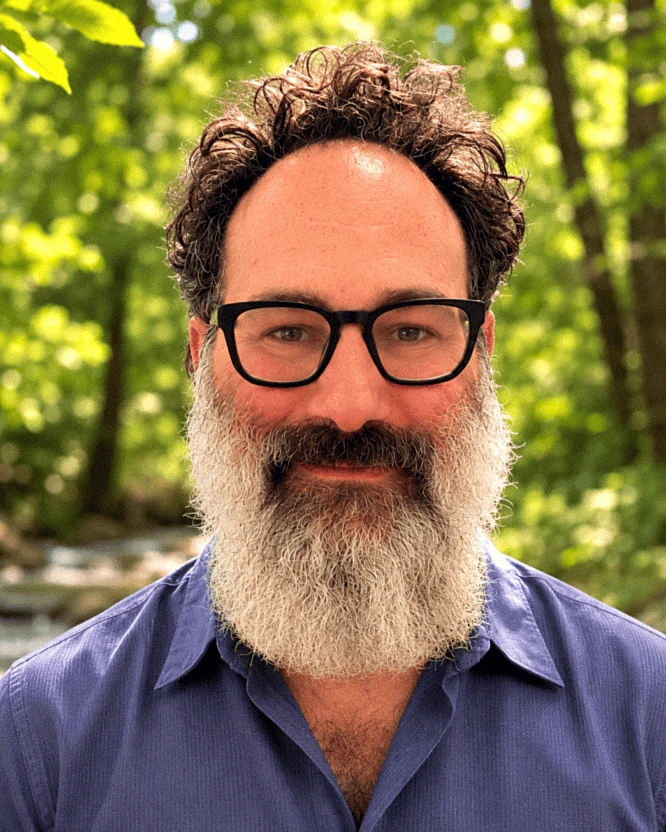
Moishe Goldstein
Co-founder
Moishe co-founded Tikkun. He grew up in the Chabad community in Crown Heights, and came to this work the long way round — through his own years with addiction, and out the other side of them.
He spent nearly two decades inside the addiction-recovery and mental-health field, helping treatment centres around the country build honest systems for how people are admitted and looked after. That work showed him plainly what those models do well, and where they leave people standing.
At Tikkun he runs the practical side and sits in the rooms. His own view is simple: people move when they feel safe enough to be seen, and then supported to actually do something about it. He is still walking the same path he asks of anyone else.
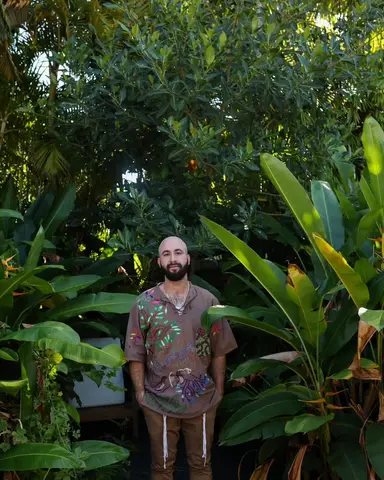
Aaron Stefansky
Co-founder · Lead facilitator
Aaron co-founded Tikkun and leads the retreats here. He is still studying: long dietas with master plants in the Peruvian jungle and here in Florida.
In Aaron's words
Like most people, I came by G-d. I was searching for more. I was struggling with addiction and substances, anxiety and depression, and I didn't really find anything that helped. I was in and out of therapy for many years, and thought: that's just who I am, someone who struggles.
For me, it comes back to trust. There was so little trust in myself, and I didn't trust others. I never truly saw it — myself, or life — for how it actually was. When things are difficult, I now know that there are lessons to be learned and that it's for my own good. I know my purpose, I know I'm not here by chance. I have to trust. Without it, there is no foundation.
My intention is to bring healing to as many people as possible, through doing the deep inner work in a space that is safe, loving, and that goes deep. A space that encourages us to face the darkness. When we actually face it, we can see how much freedom we have, how much light we have. I believe we are the only thing stopping us from getting what we want in this life. I don't believe there is a way to bypass the inner work.
Tikkun is meaningful to me because of what it really stands for. It's not just a name, it embodies the healing work. When I think of Tikkun, I really, truly feel that we're healing the world. We do have a responsibility. We are partnering with G-d when we are here on the earth to make the world a better place. We do that by becoming more compassionate and more loving.
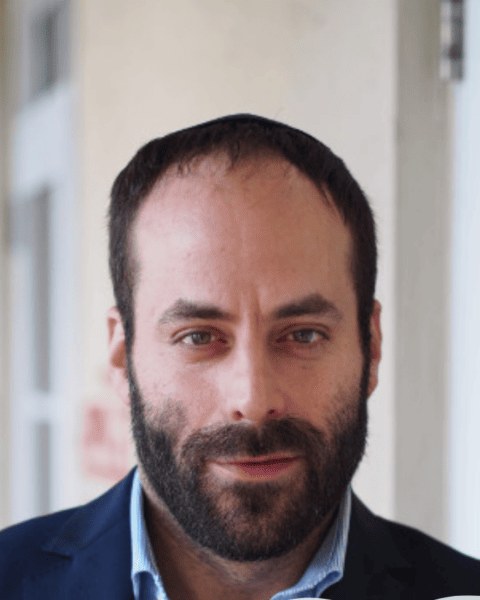
Eliezer Nerenberg
Co-founder
Eliezer co-founded Tikkun and carries the business side of it — the agreements, the property, and the arrangements that let everything else here happen.
He came to this the way most people here did: through his own struggles, and after other approaches left him without the lasting change he was looking for. He talks about this work as a gift from the Creator, and about his own part in it as helping to pass that gift on.
In Eliezer's words
Tikkun is the concept of correcting the world to bring it back to its original pure state. Before you can worry about the world, worry about yourself. Tikkun is about correcting yourself first. Once you can do that, you can slowly influence your surroundings for the better.
Sometimes I get caught up and lost in the weeds — but then I see everyone that comes through Tikkun, and it reminds me how beautiful and important this work is.