Private Individualized Programs
Built around one person rather than a calendar. Some come for ceremony; others for time in nature, solitude, or a longer stretch of preparation before a next step.
Built around one person.
A stay designed around you — your intentions, your circumstances, and how much support is actually useful. No two are the same.
Some people come for ceremony. Others come for time in nature, for solitude, or for an extended period of preparation before they take a next step at all. Our experience is that what happens before a ceremony often matters as much as the ceremony.
Programs run from a single day to several weeks. Part of a longer stay may be spent in a canvas tent set away in the trees, with regular contact from the team but most of the time deliberately your own.
What the stay includes.
- Accommodation on the property for the length of the stay
- Meals
- One-to-one guidance and integration
- An extended preparation period where it is useful
- Time in nature, and intentional solitude
- Breathwork and meditation
- Private ceremony where appropriate
- A traditional plant dieta where appropriate
- Continued integration after you leave
Preparation is most of it
Time in nature, stretches of silence, breathwork, meditation, writing, dietary guidance, and daily contact with someone who knows what you are working on. By the time anything else happens, most people arrive at it steadier and more present than they expected to be.
Solitude, on purpose
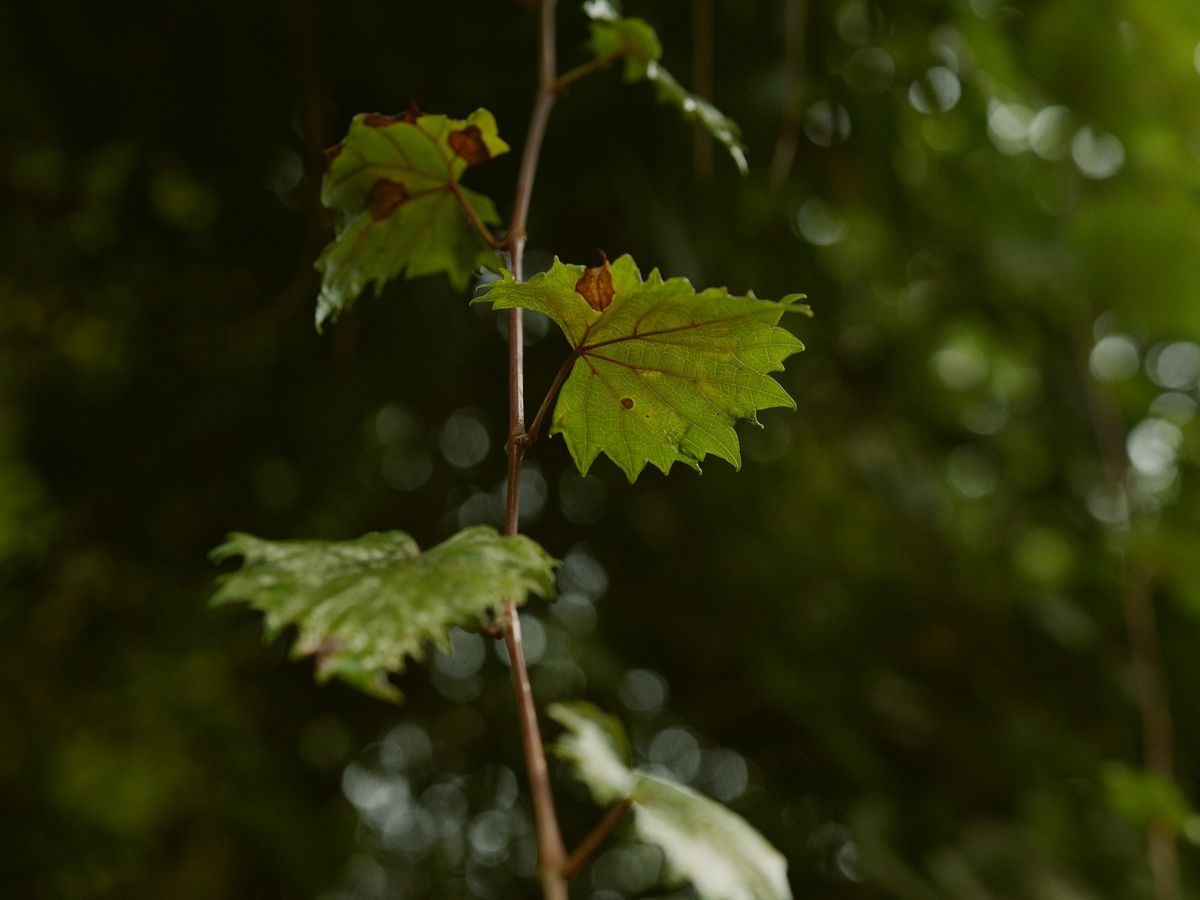
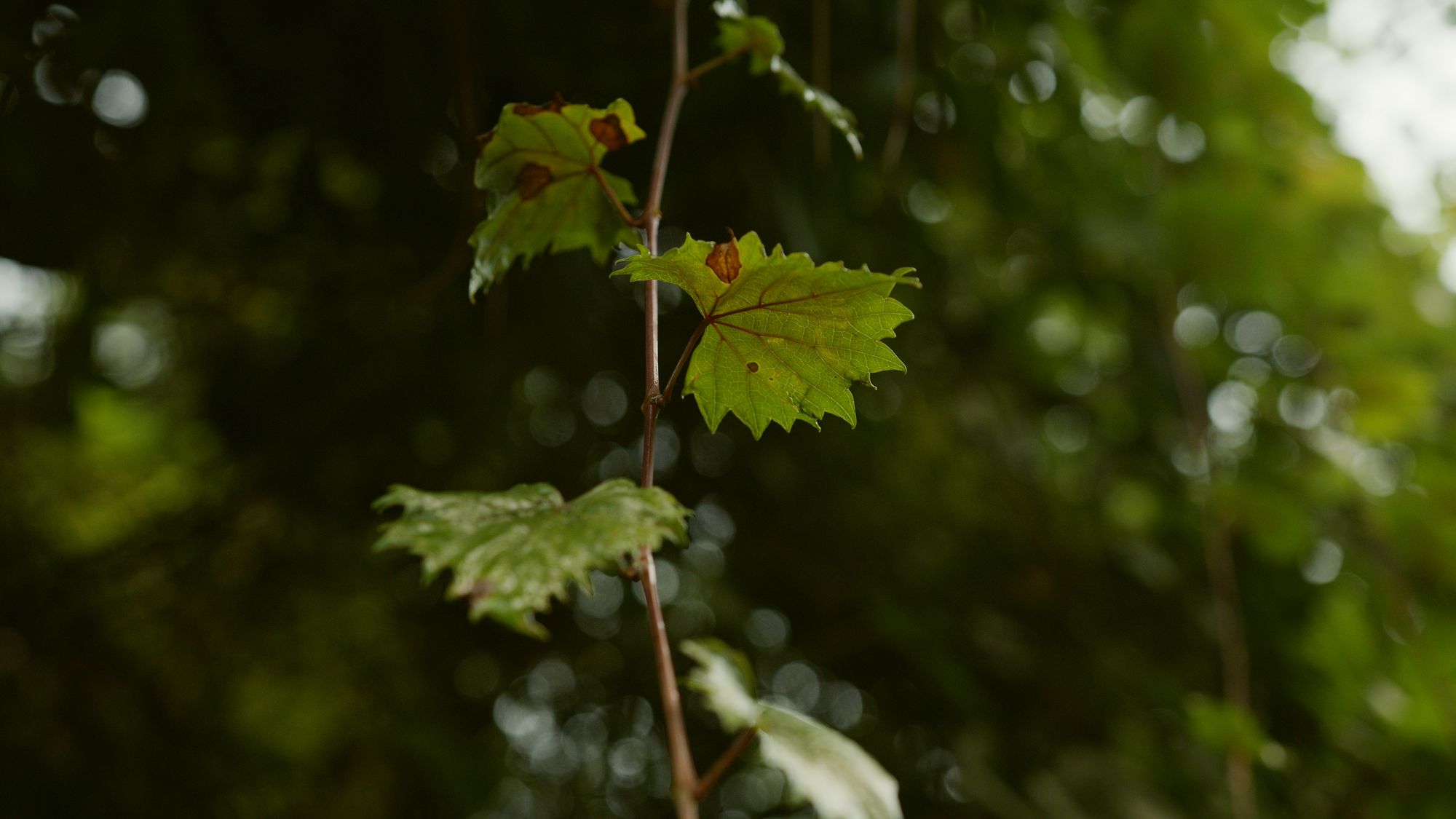
One defining part of a longer private stay is real time alone outdoors — a simple canvas tent set away in the trees, deliberately removed from the noise of ordinary days. There is something in slowing down enough to hear wind in the pines, watch a sunrise without rushing it, and simply be there. Many people describe that stretch as the part that mattered most.
A process, not an event
Our role is not to provide answers or to fix anyone. It is to build the conditions in which something real can happen, and then to help you carry it home.
What it feels like.
-
Before
A conversation first — what you are hoping for, what is going on, and what combination of preparation, solitude, ceremony and integration would actually serve it. Some of the work starts here, weeks before you arrive.
-
While you are here
Quiet, with shape. Daily contact with the team, and long stretches that are genuinely yours — walking, resting, writing, sitting with nothing to do. For some people that unstructured time turns out to be the part that mattered.
-
After
Integration does not stop at the gate. What continues, and for how long, is agreed as part of the program rather than left to chance.
Every program is different. This is how they tend to be shaped.
Who comes to this.
- People for whom a fixed weekend in a group is the wrong format — because of what they are carrying, their circumstances, or simply their temperament.
- People who want more preparation, more solitude, or more time than a weekend allows.
- Anyone under a clinician's care, or taking prescribed medication, should talk to them before enquiring. Some conditions and medications make participation unsafe, and that is covered properly in the first conversation.
Sacred medicine ceremonies within this retreat are conducted by Tikkun Healing Center, an affiliated spiritual organization.
Retreat registration, accommodations, programming, and payment are managed by Tikkun Retreats. A donation is made to Tikkun Healing Center on the participant's behalf for ceremony participation.
What it costs.
Cost depends on the length of the stay and what it involves, so it is agreed in the first conversation rather than listed here.
Every program begins with a conversation. Nothing is booked before that.
Your facilitators
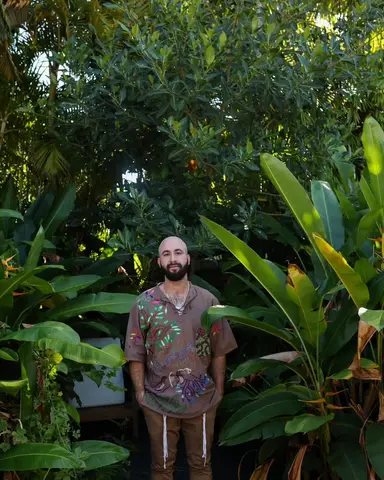
Aaron Stefansky
Facilitator
Aaron leads retreats at Tikkun. Like many people who end up doing this work, he came to it through his own years with addiction, and he is direct about that being where the change began.
He keeps studying — long dietas with master plants in the Peruvian jungle and here in Florida — and what he teaches comes back, mostly, to trust: stepping into your heart and out of analysis. Fear is allowed. It just should not be the thing doing the driving.
His starting point is that people arrive already whole, and that much of the work is separating what someone is carrying from who they actually are.
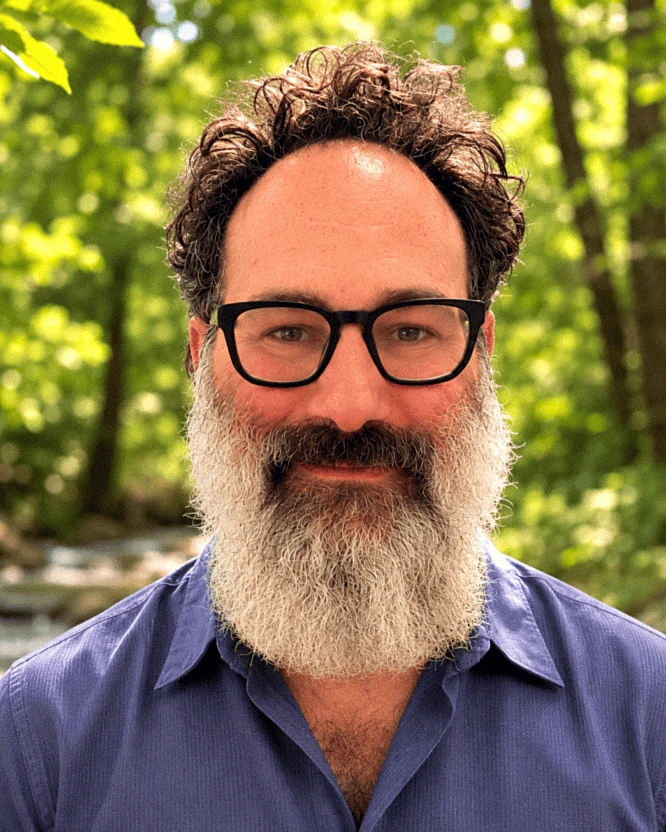
Moishe Goldstein
Co-founder
Moishe co-founded Tikkun. He grew up in the Chabad community in Crown Heights, and came to this work the long way round — through his own years with addiction, and out the other side of them.
He spent nearly two decades inside the addiction-recovery and mental-health field, helping treatment centres around the country build honest systems for how people are admitted and looked after. That work showed him plainly what those models do well, and where they leave people standing.
At Tikkun he runs the practical side and sits in the rooms. His own view is simple: people move when they feel safe enough to be seen, and then supported to actually do something about it. He is still walking the same path he asks of anyone else.
Before you register.
How long do these usually run?
Anywhere from a single day to several weeks. Length follows what you are there for, not the other way round.
What is a plant dieta?
A period of deliberate simplicity and focused attention on one medicinal plant, rooted in Indigenous Amazonian practice: simple food, little stimulation, and a lot of time alone outdoors. It is offered where it fits, not as standard.
Do I have to take part in a ceremony?
No. Some private programs include one, some do not, and some are built entirely around preparation, solitude and integration.
Can I really stay in a tent?
Yes — a canvas tent set away in the trees, for part of a longer stay. It is simple and comfortable, and it exists because the quiet is the point.
How do I start?
With a conversation. Nothing is scheduled or paid for until we have both worked out whether this is the right thing.